
Dormers are a signature feature in classic home styles like Cape Cod, Colonial, Craftsman and Victorian homes, adding character, natural light and usable space to upper levels. But while they boost curb appeal and functionality, dormers are also one of the most vulnerable areas for moisture intrusion, siding damage and hidden structural issues. Because they combine roofing, siding, trim and windows into one concentrated area, even small problems can spread quickly.
Understanding what dormers do—and how they fail—can help you catch problems early.
The Purpose of a Dormer
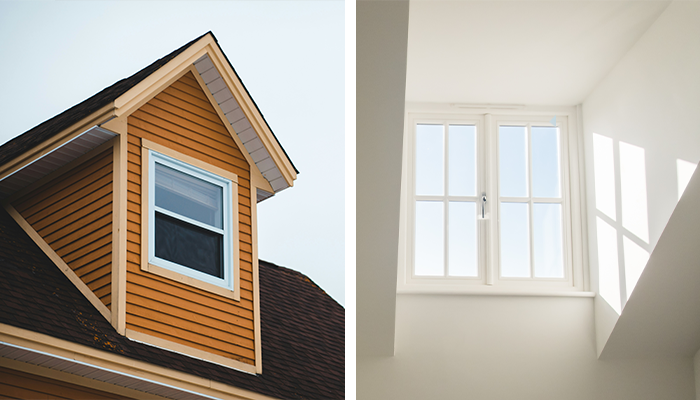
A dormer is a roofed structure that projects out from a sloped roof, usually containing a window. While dormers add architectural appeal and a unique charm to both historic and modern homes, they typically serve important functional purposes.
In many homes, dormers make upper-level or attic spaces more livable by adding natural light, ventilation, emergency egress for code compliance or even additional headroom for bathrooms, bedrooms or bonus spaces.
Without dormers, many upper-level rooms would feel cramped, dark or impractical. In some cases, they’re essential for turning unfinished attic space into usable square footage.
Why Dormers Are More Vulnerable to Damage
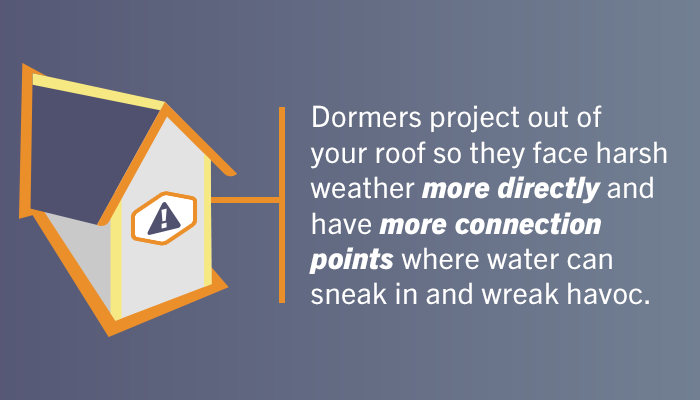
Dormers are essentially mini exterior walls built into the roofline, which means they face weather differently than standard siding.
Rainwater runs directly down roof slopes and toward the dormer connection points. Snow, debris and moisture tend to collect where siding meets roofing materials. Over time, this creates wear faster than on traditional wall surfaces.
The Hidden Problem Most Homeowners Don’t Know About: Siding Clearance
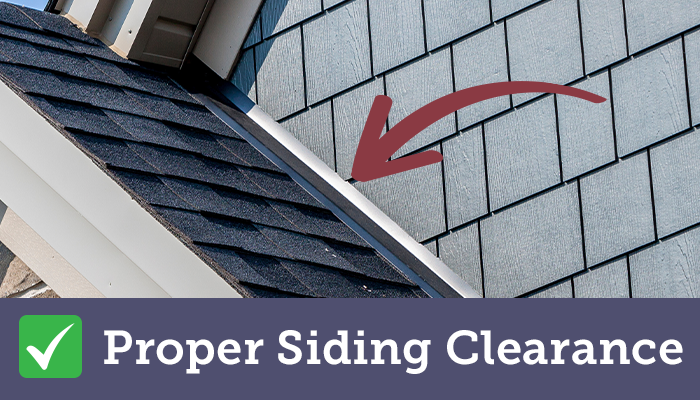
One of the most common dormer issues we see at O.C. Taylor is siding installed too close to the roof. It sounds minor, but it creates a major moisture problem. When siding sits too close to shingles, moisture can wick upward, become trapped and eventually deteriorate siding, flashing and structural materials.
This issue is especially common on older dormers or previous repair jobs where siding wasn’t installed to modern manufacturer specifications. Today, many siding systems require intentional spacing above roofing materials to allow proper drainage and prevent moisture absorption.
Warning Signs Your Dormer May Need Repair
Dormer problems often start small, making early warning signs important to catch.
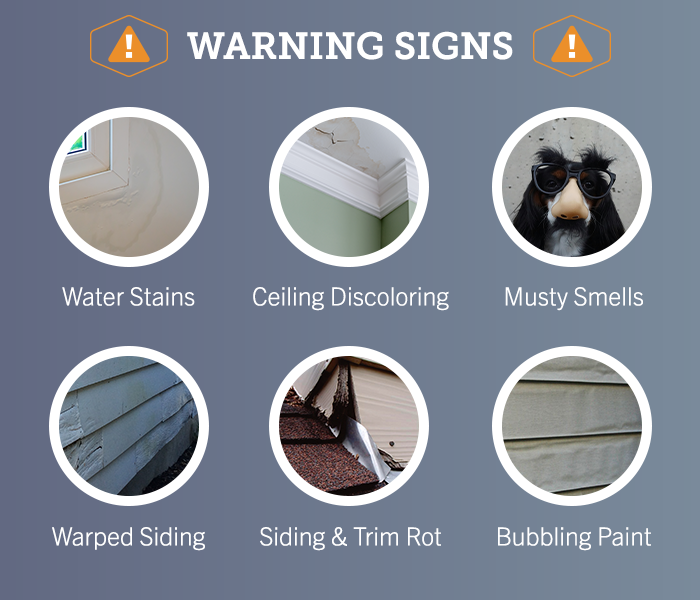
Interior warning signs:
- Water stains around dormer windows
- Drafts or moisture near upper-level windows
- Ceiling discoloration below dormers
- Musty smells in attic spaces
Exterior warning signs:
- Swollen or warped siding
- Bubbling paint
- Rotting trim boards
- Soft wood near roof intersections
- Cracked caulking
- Visible flashing separation
One surprising sign you may not be aware of? Woodpecker damage. That’s one of the biggest issues we see here in the Triangle area. Woodpeckers are often attracted to soft, rotting wood. If birds are repeatedly pecking at a dormer, there may already be moisture damage underneath.
Why Roof Replacements Sometimes Reveal Dormer Problems
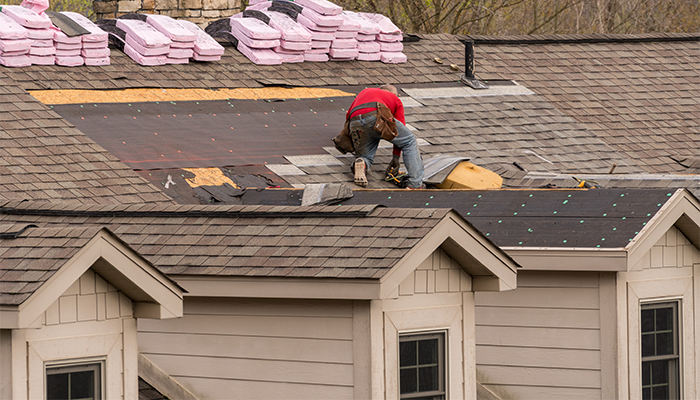
Many homeowners don’t discover dormer issues until they replace their roof. During roof replacement, removing or adjusting flashing often exposes hidden rot or weakened siding around dormers.
This is especially common with older, engineered wood siding products, which may already be compromised after years of moisture exposure. If your roof is being replaced and you have dormers, it’s smart to have those areas inspected at the same time, which is an important conversation to have with your roofer.
Don’t Ignore Dormer Damage
If you’ve noticed signs of wear or your dormers haven’t been inspected in the past 10 to 12 years, now is a smart time for an evaluation. A leak in a dormer isn’t just surface-level. Because dormers are elevated and tied into your roofing system, water intrusion can travel into attic framing, roof decking, insulation, your ceilings and structural framing. That means what looks like a small exterior issue could already be affecting major parts of your home. At O.C. Taylor, we help homeowners identify and repair dormer issues before they lead to costly water or structural damage.
Get in touch by calling 919-714-2200 or by requesting a free quote online and see if your dormers are protecting your home.