
The average homeowner thinking about exterior remodeling likely has a specific picture in mind. They envision what contributes to a home’s curb appeal, such as new siding, a fresh roof or upgraded trim. But beneath all of that is something more important: protection.
At its core, exterior remodeling isn’t just about how your home looks. It’s also about keeping the elements where they belong—outside of your home. And in the Triangle area, homes face heavy rain, humidity and seasonal storms that put added pressure on your exterior. It’s why flashing is critical.
Flashing is a system of thin materials installed around vulnerable areas of your home—like roofs, windows, doors and decks—that directs water away and prevents it from entering your home. Simply put, flashing is a key component of water mitigation, keeping moisture out before it becomes damage.
Here’s what to know about this key component of your exterior system.
You Can Spot the Signs Your Flashing May Be Failing
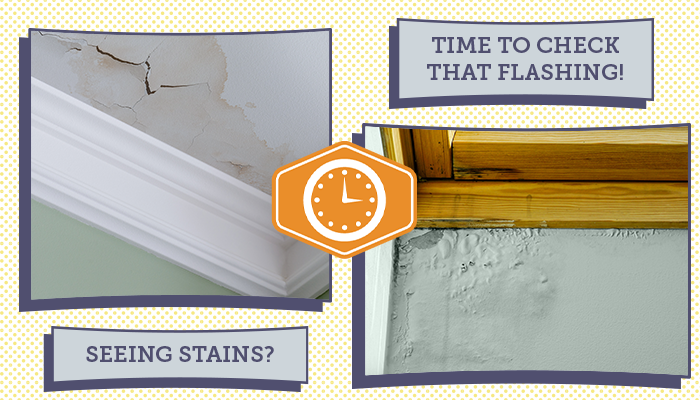
Flashing issues don’t usually begin with a dramatic leak. More often, they start small and quietly worsen over time. Some of the most common early warning signs include:
- Drafts around windows or doors
- Water stains on ceilings or walls
- Soft spots near doors or flooring
- Siding that appears to be rotting or peeling apart
In many cases, what looks like a roofing or siding problem is actually a flashing issue underneath it all. Leaks are the number one red flag, but they’re often the last sign homeowners notice.
There are Common Flashing Problem Areas
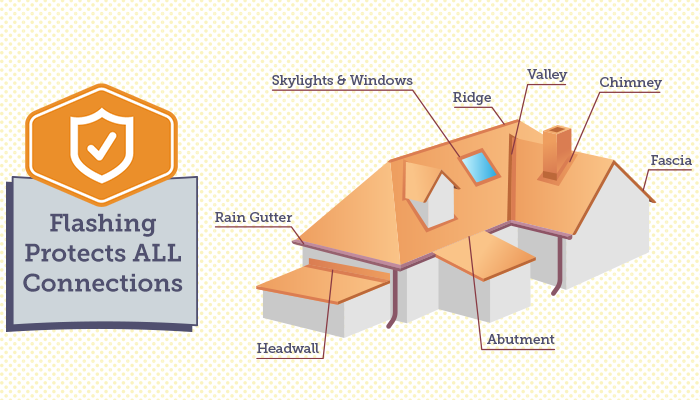
Flashing is used in several key areas of your home, and each one plays a specific role in preventing water damage. Understanding where flashing fails at the following spots can help you spot issues faster.
- Deck Connections – Where your deck connects to your home is one of the most vulnerable areas. Improper flashing allows water to seep behind the structure, leading to rotting rim boards and framing. Over time, this can lead to soft floors inside your home and more costly structural repairs.
- Windows and Doors – Flashing above windows and doors directs water away, but only if installed correctly. If siding is too tight against the flashing, moisture can get trapped, leading to rotting or delaminated siding. Eventually, water can enter the home.
- Roof-to-Wall Transitions – Anywhere your roof meets a vertical wall requires layered protection. Apron flashing handles horizontal transitions. Step flashing protects angled rooflines. If these aren’t properly installed, water can sneak in and show up as interior ceiling leaks.
- Chimneys – Chimneys rely on a combination of flashing systems to stay watertight. When these fail, water often finds its way inside quickly.
- Plumbing Vent Boots – One of the most common—and most overlooked—issues is with plumbing vent boots. These rubber or metal seals around pipes that come through your roof, and if they fail, the leaks often appear in bathrooms or nearby ceilings. Builder-grade versions often last only about 10–12 years before they begin to deteriorate, which means if your roof is aging, you should replace the flashing.
What O.C. Taylor Can Do to Fix Problems Head-On
Most homeowners don’t think about flashing until there’s a leak, but proactive maintenance can extend the life of your home.
You should schedule an inspection if you notice ceiling stains or active leaks, siding deterioration or warping, soft spots near doors or deck connections or any signs of moisture intrusion. Because of the Triangle’s humid climate, repeated wet/dry cycles can accelerate deterioration. Often, early intervention prevents major repairs.
In addition, if your roof still has life left, consider a roof tune-up, which may include replacing aging vent boots, resealing flashing or addressing minor vulnerabilities.
This is where O.C. Taylor can help.
At O.C. Taylor, we specialize in exterior remodeling, roofing and siding, with a focus on keeping water out and protecting your home long-term. Our team custom-fabricates your flashing on-site to ensure a precise fit. We craft flashing from:
- Aluminum – Durable and corrosion-resistant
- Vinyl/PVC – Typically required for compatibility with treated wood, like decks
- Copper – Premium option for longevity and aesthetics
The difference isn’t just the material—it’s the craftsmanship we offer.
Schedule an inspection today and get ahead of costly repairs, or request a free quote to get started.