
Are you looking to reduce your energy costs? Who isn’t? With prices rising, lowering energy costs is always welcome. One of the smartest places to start is with your windows and doors, because they are the most common spots where your home quietly leaks air, comfort and cash. When that barrier breaks down, your HVAC system has to work overtime to make up the difference. The good news is you have options and we’re here to walk you through them.
How Does Energy Escape Through Openings?
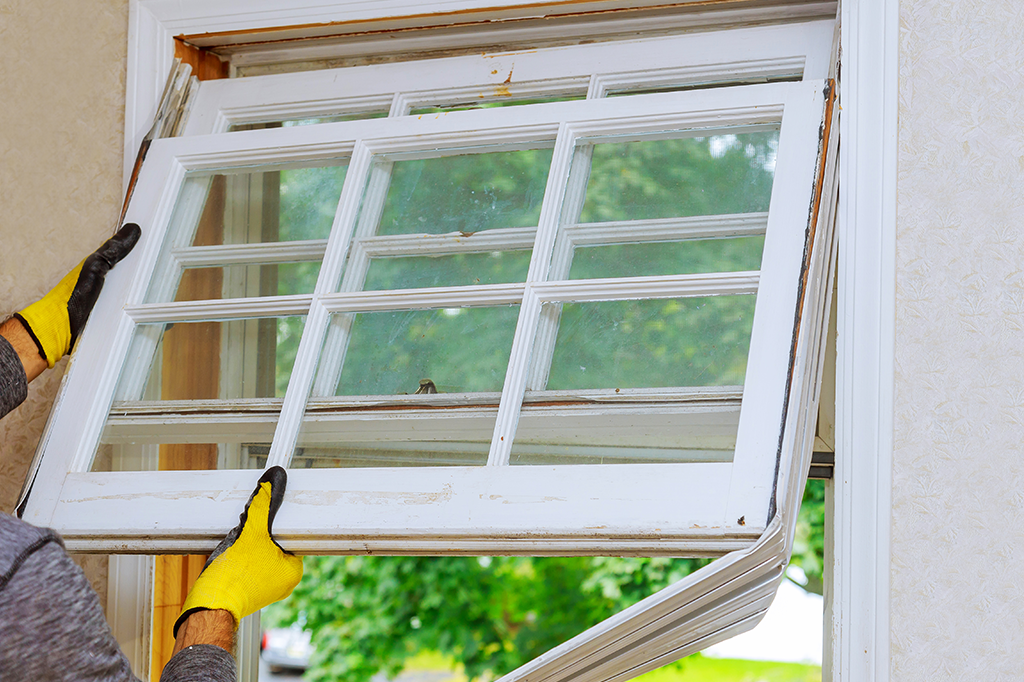
Drafts, air leakage and worn seals around windows and doors create a constant exchange between conditioned indoor air and outdoor air. In winter, warm air escapes. In the summer, hot humid air creeps in. Either way, your HVAC is working overtime and you’re stuck paying time and a half.
A rule of thumb in the field is that older windows are typically 15-20% less efficient than new ones. A really old window is typically single-pane glass. Many homes have dual-pane windows, but modern technology has changed the game with Low-E coatings and insulating gases like argon or krypton between the panes. Those upgrades help reduce heat transfer while still allowing natural light in.
On a windy day, hold a candle near the edges of your window or door. If the flame flickers, you have a draft. Another common sign is a rotting sash. When wood holds moisture, it can compromise performance and contribute to broken seals. And sometimes the problem is not the window at all. If the space between the window frame and the rough opening was not properly insulated, cold air can migrate through the wall cavity.
How Can I Save On Energy Costs with Windows?
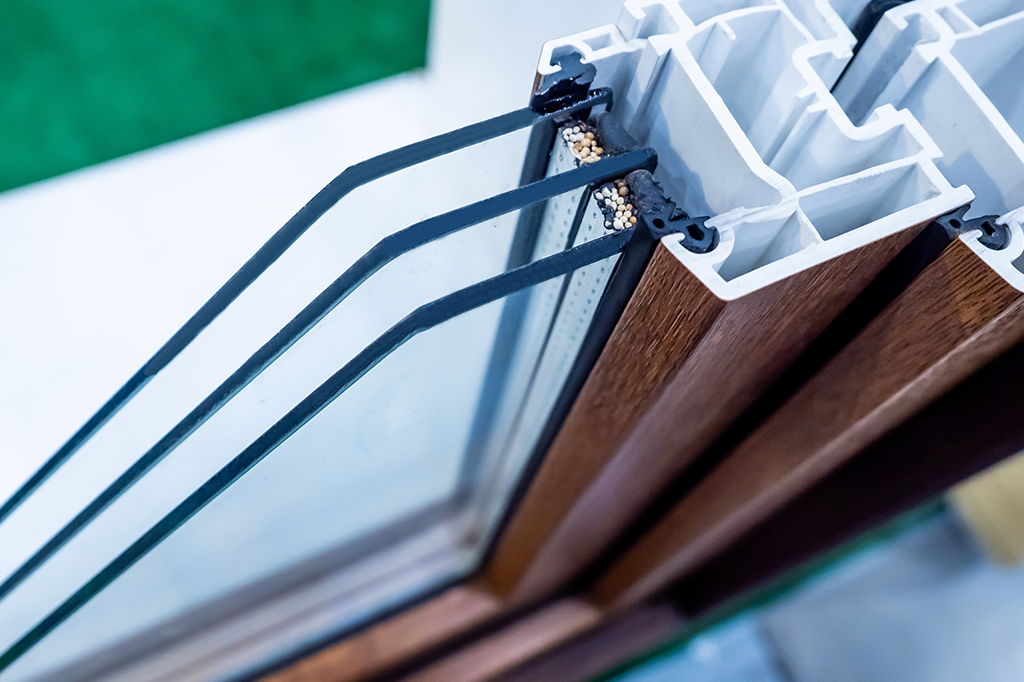
Windows add beauty to your home with sunlight and views while also serving as a strong barrier against heat transfer and air leakage. The best-performing modern windows work as a system.
Double-pane glass, first patented in the 1860s, created an early air barrier between panes. Then in the 1960s, Low-E technology took efficiency a significant step forward. Low-E coatings reflect certain types of radiation. Today, coatings are paired with insulating gases within the glass unit to reduce heat transfer. One simple way to picture argon is this: it is harder for you to walk through a full pool than an empty room, and the thermal energy has a similar hard time getting through these exotic gases.
In colder climates, some manufacturers strategically place Low-E coatings on windows so they reflect heat into the home in winter and reflect sunlight out in summer. Triple-pane windows can provide additional insulation, but they are usually unnecessary in our market because we do not have enough heating days to justify the cost. The primary use of triple-pane windows here is for sound mitigation, such as in homes under the flight path near Raleigh-Durham International Airport.
One more thing homeowners rarely hear about: very efficient Low-E windows can sometimes create concentrated reflection issues. Under the right conditions, sunlight can reflect off surfaces and cause heat buildup, with vinyl siding being the most common victim.
How Can I Save On Energy Costs with Doors?
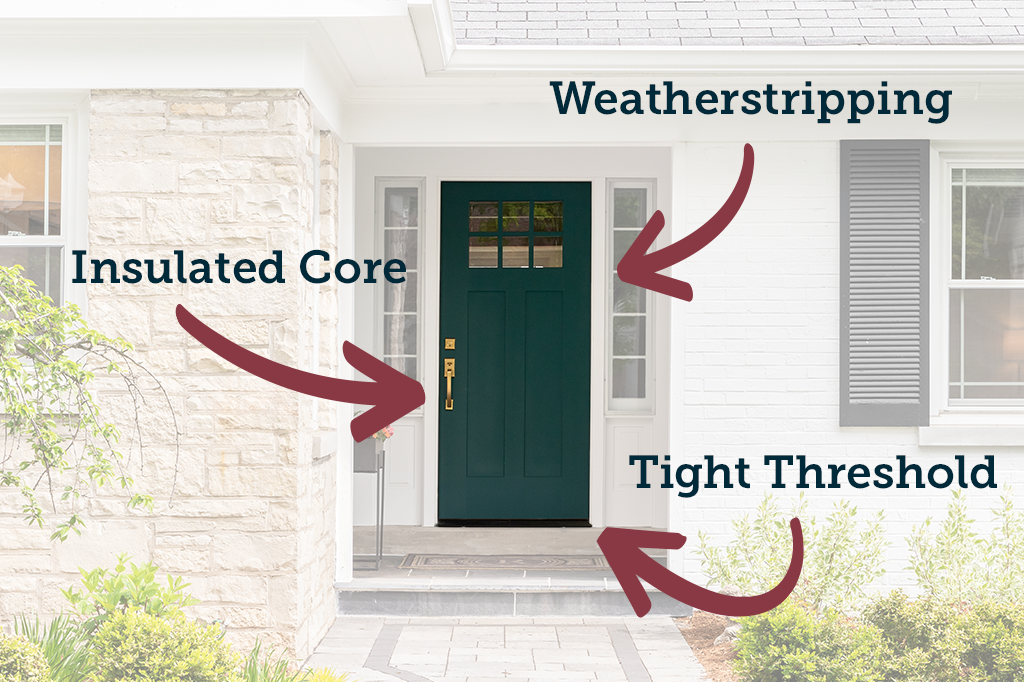
Doors are a significant factor in energy savings because they are large openings with moving parts, thresholds and seals that can wear down over time. Older wooden doors, especially south-facing, can be damaged by heat. Raised panels can crack, opening in summer and closing in winter, which allows air to move freely through the door. Movement also creates sticking, swelling and doors that become hard to open as the slab expands against the jamb.
Today’s most efficient doors rely on a few key features:
- Insulated cores to slow heat flow
- Weatherstripping and seals to block drafts
- Tight thresholds so the bottom edge seals correctly
- Materials like fiberglass and insulated steel for durability and performance
Fiberglass doors can give you the look of wood without the constant stripping, sanding and staining. Steel doors can be a great option where direct sun is brutal, but not all steel doors are created equal. Many builder-grade steel doors still contain wood, which can warp from heat and cause air leakage. Higher-end steel doors are built with thicker-gauge steel and stronger construction for greater efficiency and security.
Beyond primary entry doors, crawl space doors, garage-adjacent entry doors and patio doors can all be draft sources. If they are not properly sealed, they can reduce the efficiency of the entire house.
How Can I Get The Most Style, Security and Energy Efficiency Out of My Windows and Doors?
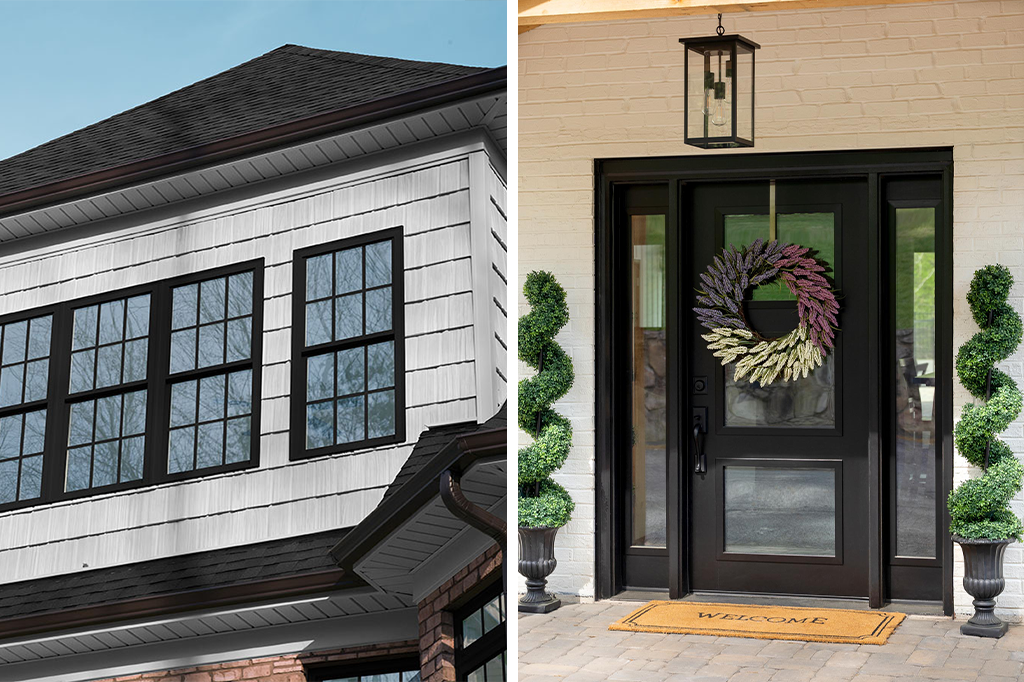
Sometimes the best energy upgrade is not a replacement, it’s a conversion. A typical example is converting a French door to a sliding door when the interior layout is tight. Breakfast tables, dining areas and traffic patterns can make swing doors awkward. Sliding doors require no interior or exterior clearance, which can improve functionality immediately. And modern sliders are not the flimsy old versions people remember. Many now use multi-point locks and bolt systems that shoot into the frame for enhanced security.
Modern windows come in a wide range of styles, and today’s doors can be customized to match the character of your home while still improving insulation and security, such as those provided by our partners at Atrium Windows and Doors and ProVia. Paint and finish choices go a long way, too, and trends like darker window frames or bold doors can be done thoughtfully with the right materials.
How Do I Maintain The Energy Efficiency of My New Doors and Windows?
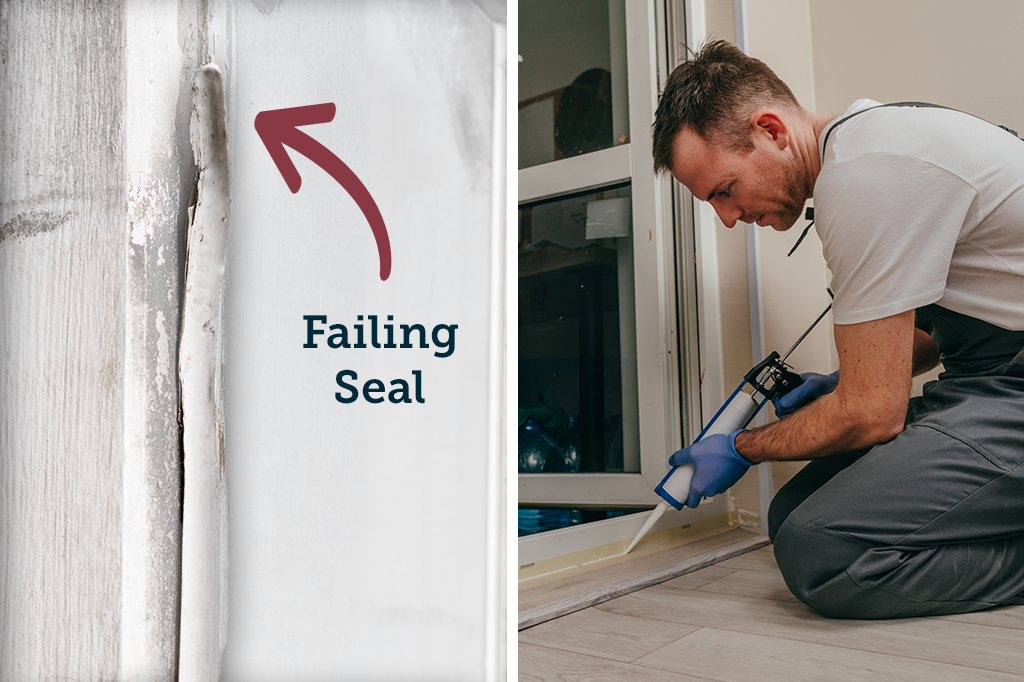
The best window or door can still perform poorly if it is installed improperly. Energy performance is protected in the steps: proper insulation in the cavity, correct sealing and careful interior and exterior caulking.
To keep your energy savings for as long as possible, do regular checks and occasional maintenance around your windows and doors. Routine visual checks go a long way. Look closely at the exterior caulking around the window and door frames. If you see cracks, gaps, or areas pulling away from the surface, those are early warning signs that air and moisture can get in. Inside the home, condensation between glass panes, soft wood around frames, or musty smells near doors and windows can all point to developing issues. Ensure the flashing above windows and doors remains intact and that the gutters and downspouts direct water away from the openings. Persistent moisture around frames can break down materials, compromise insulation and eventually lead to leaks that affect interior finishes.
Homeowners typically feel the difference fast, but the real payoff shows up in the dead of winter and the peak of summer. That is when better seals, Low-E coatings and insulated frames take the most strain off your HVAC.
Energy savings are not one-size-fits-all. The right match for the right space creates the right efficiency, and that starts with a professional evaluation. If you are ready to seal your home’s energy better, improve comfort and upgrade the look of your home at the same time, contact O.C. Taylor to talk through the best windows and doors for your space.